
01
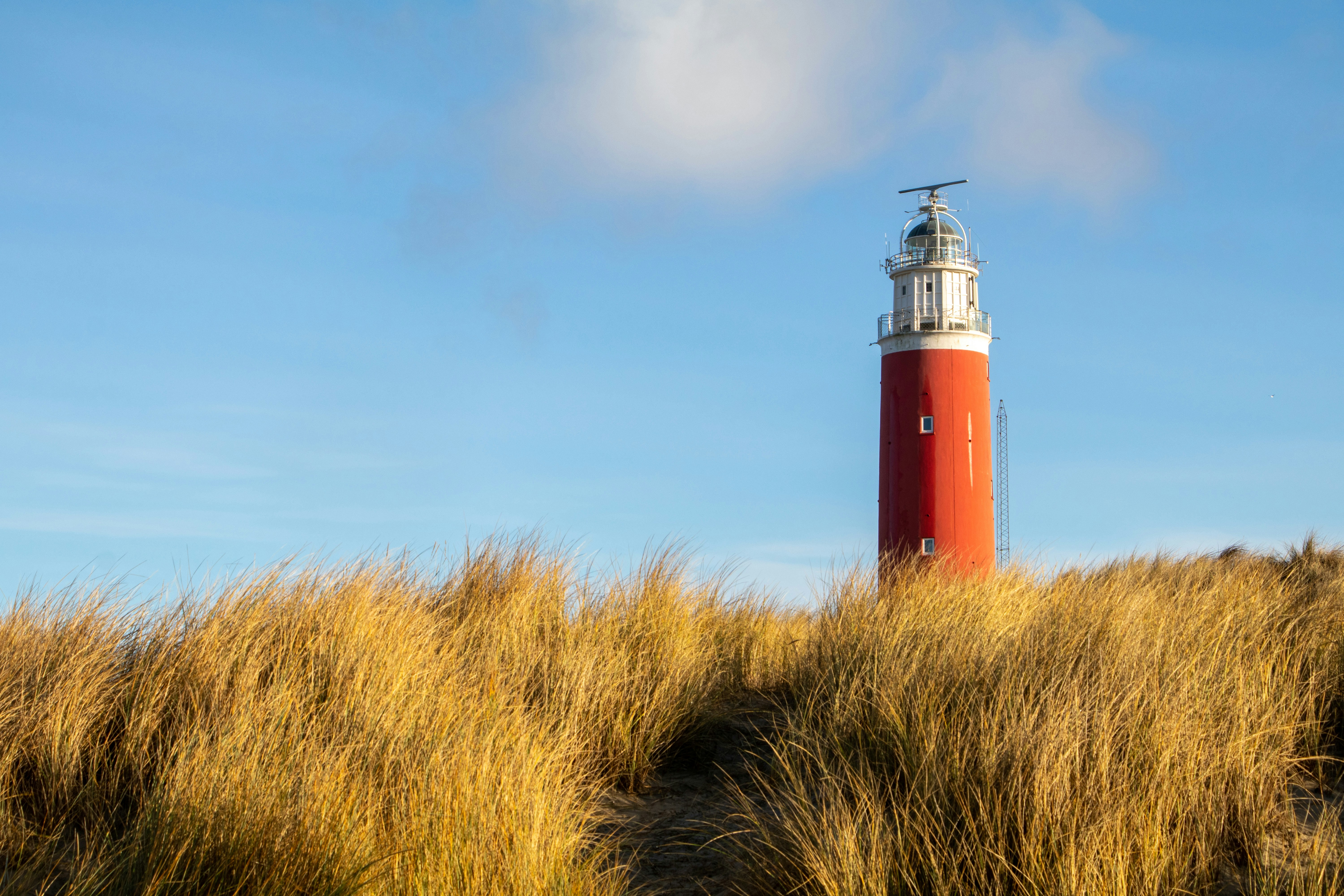
Texel
The largest of the Wadden Islands — wide beaches, dunes, and a UNESCO tidal flat. Take the ferry from Den Helder.
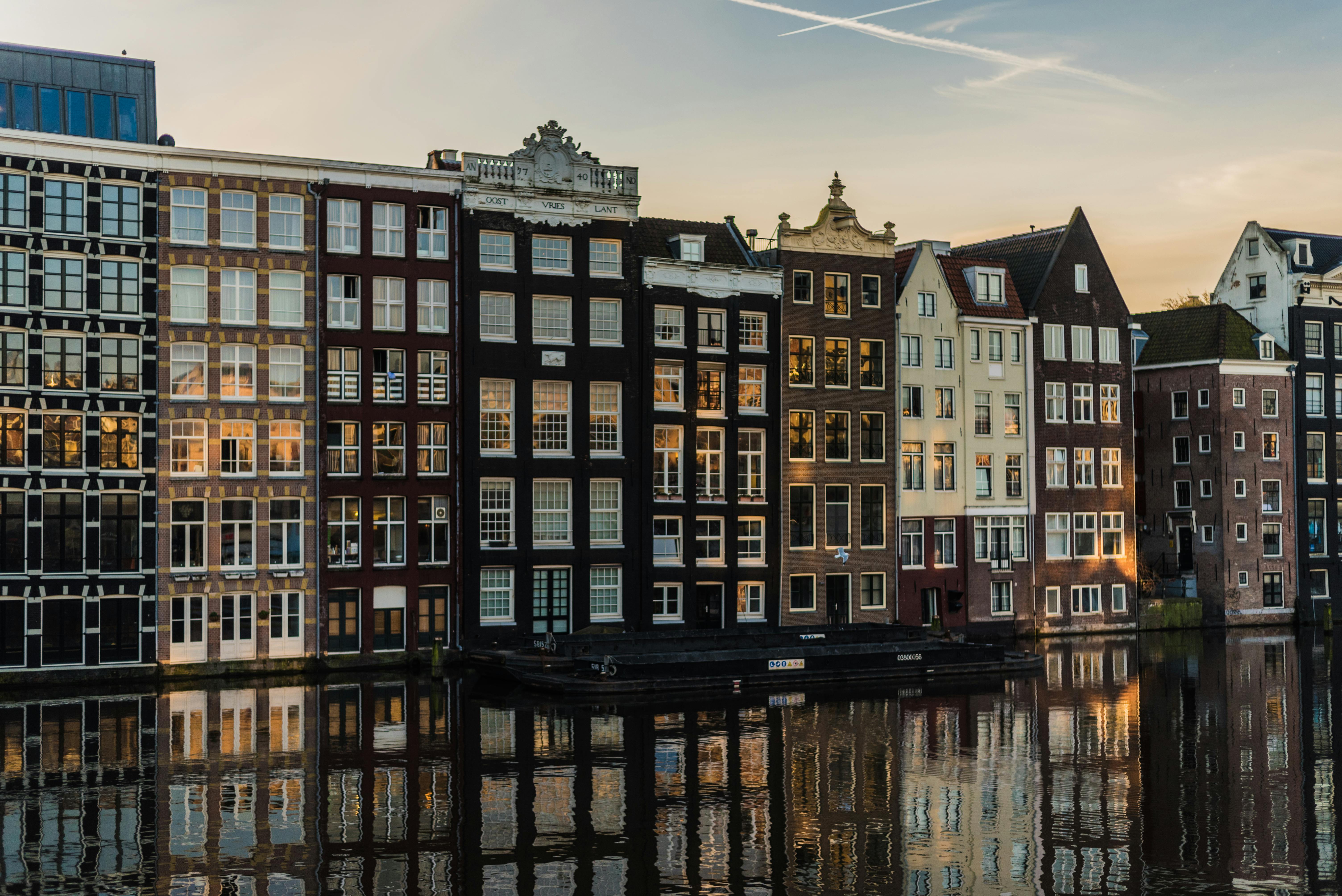
Windmills, canals, dikes & Polders. Roads smoother than mirrors
The Netherlands is one of the most van-friendly countries in Europe. Despite being densely populated, it surprises every visitor with open landscapes, glittering canal networks, and a culture that genuinely embraces van-lifers.
From the tulip fields of the Bollenstreek to the wide beaches of Texel, the wild heathlands of the Veluwe to the historic streets of Delft — there is more packed into this compact country than you would ever expect.
The Netherlands rewards those who leave the motorway. Here's where to go.
The largest of the Wadden Islands — wide beaches, dunes, and a UNESCO tidal flat. Take the ferry from Den Helder.

The country's largest nature reserve. Ancient forest, purple heathland, and wild sand dunes — a genuine escape.
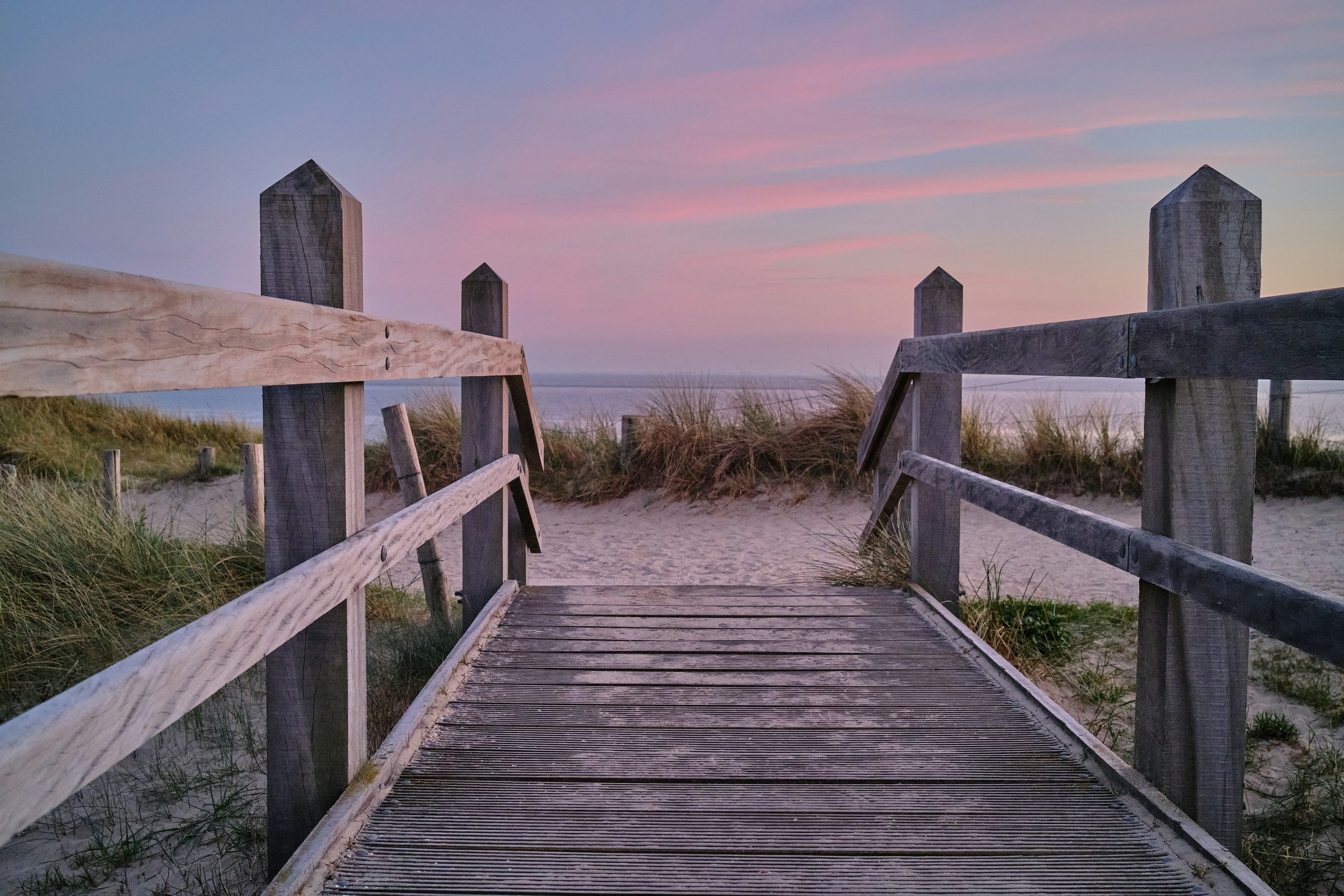
A maze of peninsulas and islands in the south-west. Kitesurfing, fresh mussels, and the legendary Delta Works.
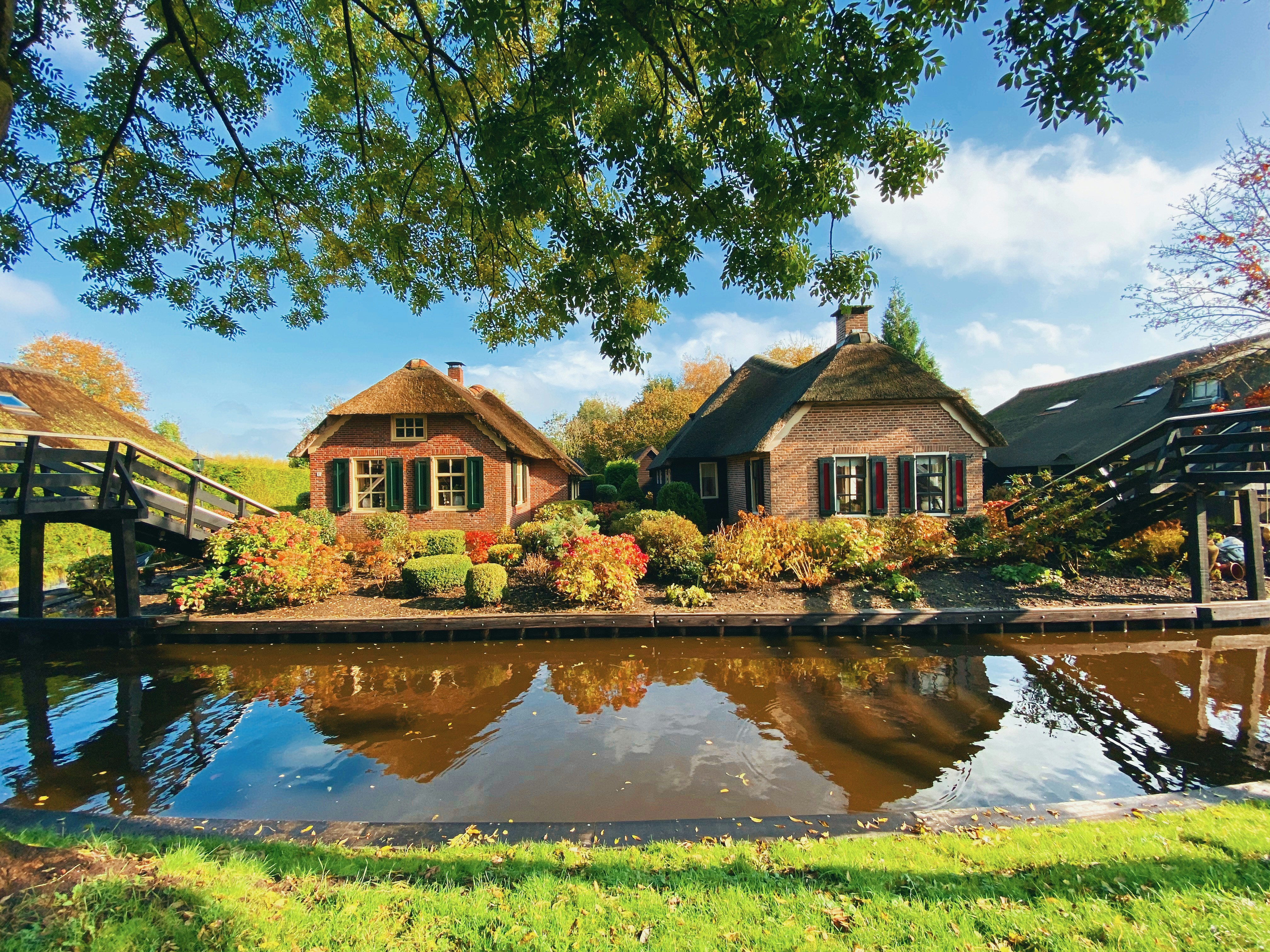
No roads, only canals. Park the van and rent a whisper-quiet electric boat to explore this unique village.
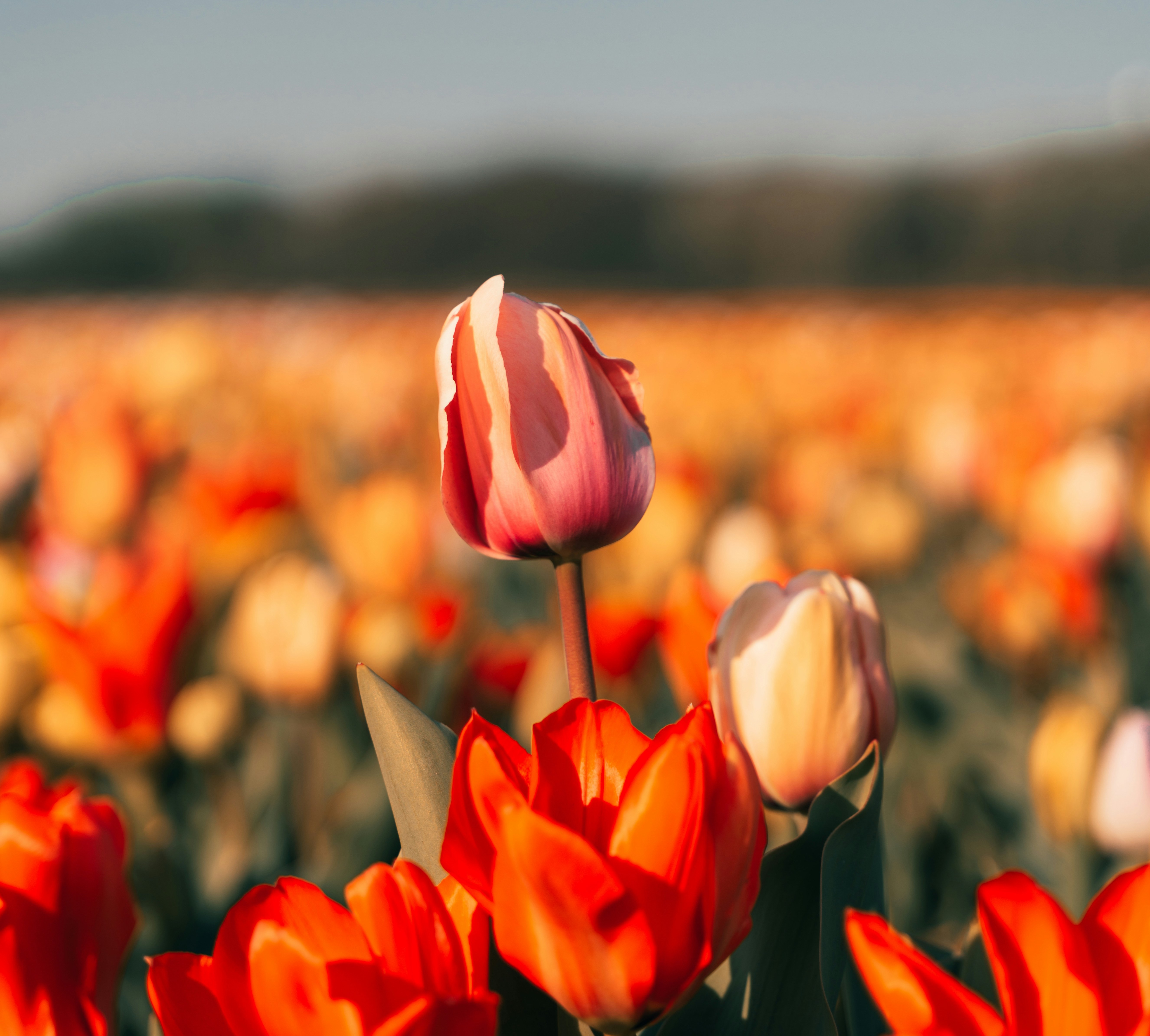
Millions of tulips from late March to May. Drive the Bloemenroute between Haarlem and Leiden for a riot of colour.
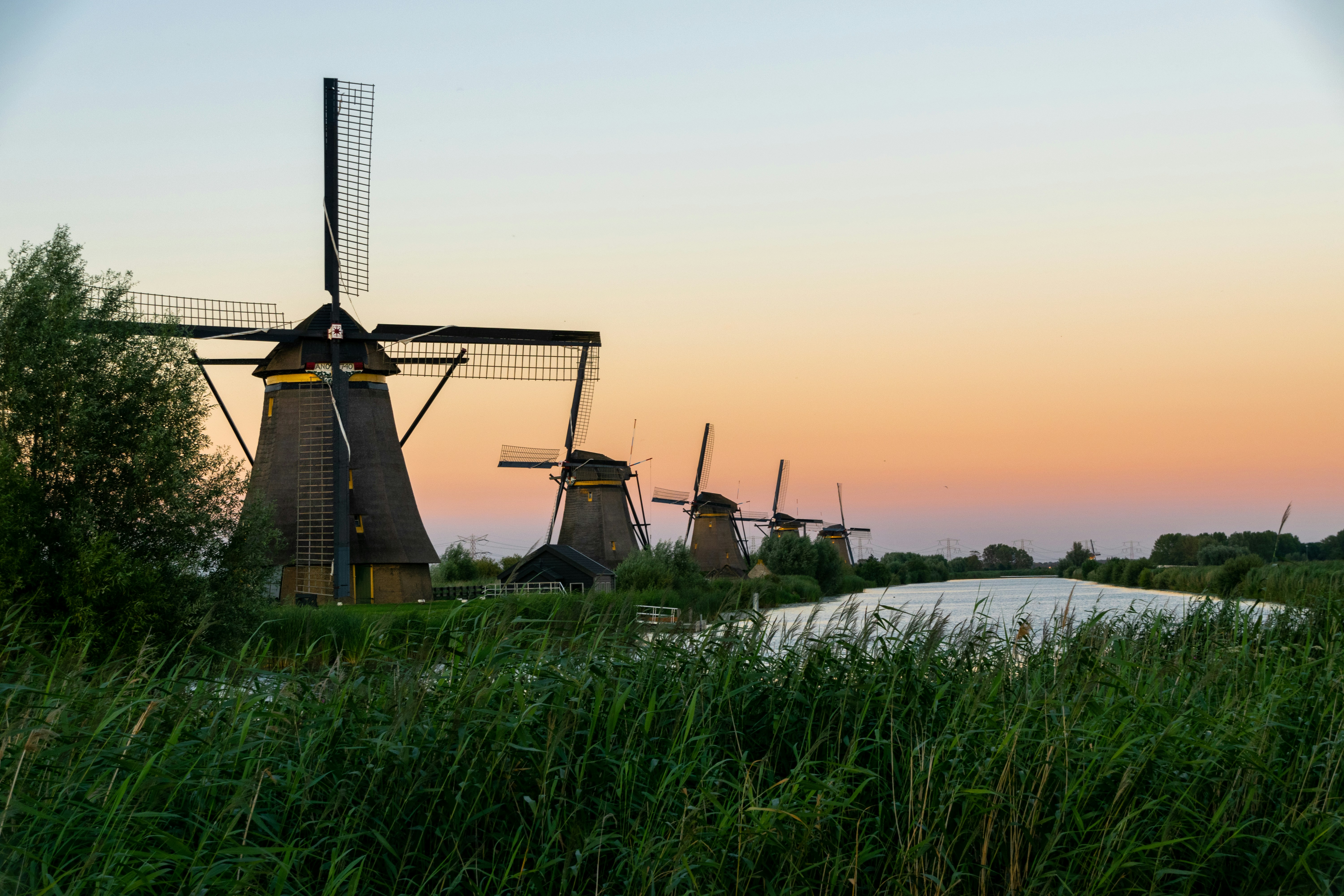
Nineteen working windmills along a UNESCO-listed polder. Stunning at golden hour, a short drive from Rotterdam.
Everything from before you leave to when you're parked up for the night.
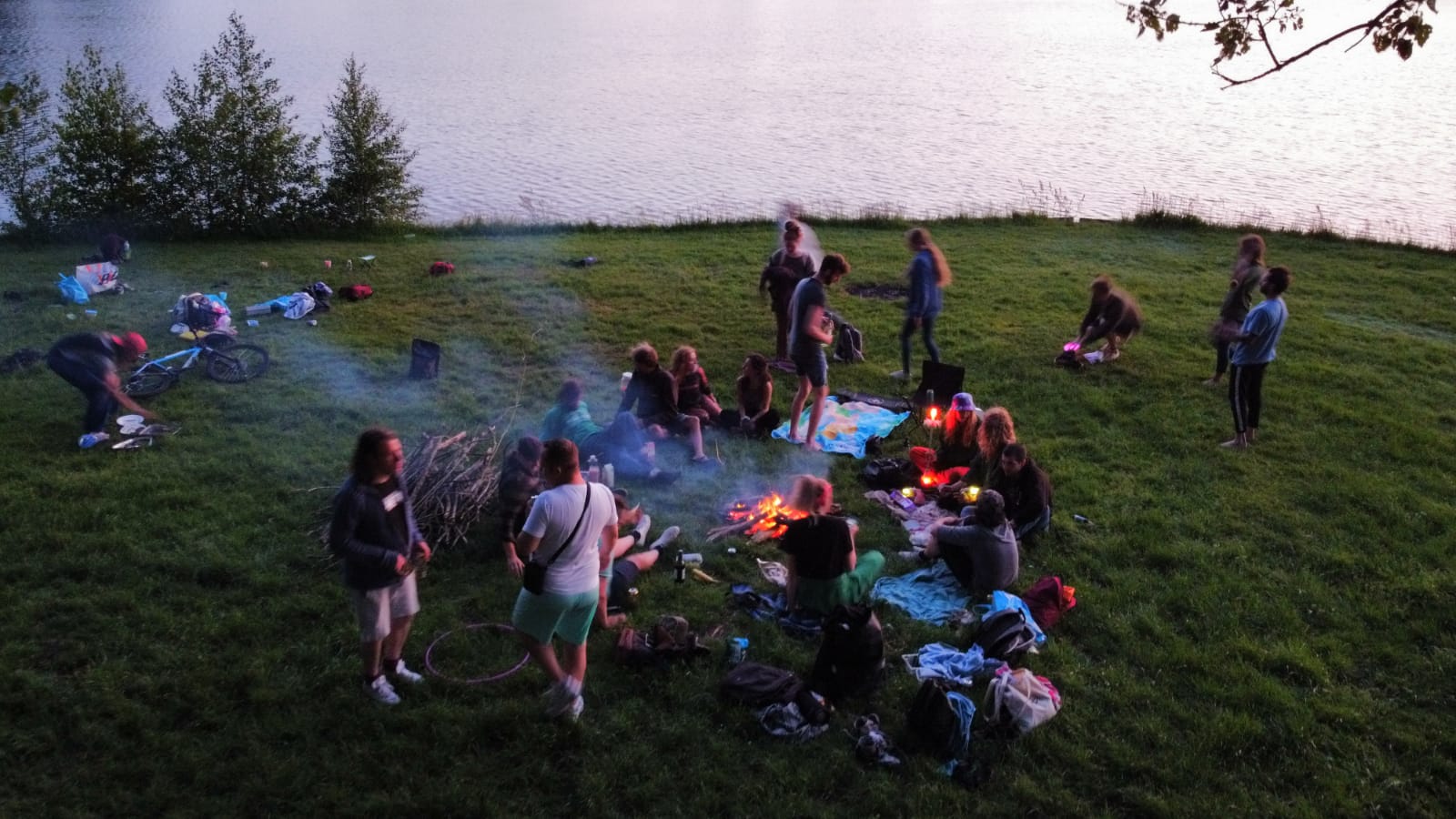
Wild camping is illegal in the Netherlands, but enforcement varies significantly. In rural areas and nature reserves the rules are taken seriously. In quieter residential streets in smaller towns, a single-night stay in your van is often tolerated — but never guaranteed.
The Dutch have built an excellent network of dedicated motorhome stops called camperplaatsen. Most include water, grey-water disposal, and electrical hook-ups for €8–15 per night. Quality varies but the best feel like proper mini-campsites without the crowds.
No country in Europe has more public charge points per capita than the Netherlands. FastNed operates high-speed highway chargers, Allego covers urban areas, and Vattenfall handles much of the public street charging. You will rarely be more than 15 km from a charger.
In Amsterdam and other large cities, on-street chargers can be busy — especially evenings and weekends. Use Plugshare or the Allego app to check real-time availability before you commit to a route. Plan your charging during a lunch or coffee stop rather than trying to top up urgently.
Dutch roads are in excellent condition and almost entirely flat — a genuine pleasure to drive. Motorway signage is clear and consistent. The A roads (snelwegen) connect everything efficiently, while the N roads (national routes) are the ones worth taking for scenery.
Cyclists always have right of way — everywhere, always, without exception. Cycle lanes are embedded into almost every road. Before opening your van door, always check for bikes. This is not a suggestion; it is how Dutch culture works. Locals will be openly annoyed if you get it wrong.
Dutch coastal wind is relentless — particularly in Zeeland and on Texel. Roof tents become a liability from October. Check your van's roof and window seals before you go: Dutch rain is persistent and often arrives horizontally. A good set of windbreak panels for your awning is worth every penny here.
Weekly street markets (markten) run in almost every Dutch town, typically Tuesday through Saturday mornings. They're excellent for fresh fish, cheese, bread, and vegetables at fair prices. Ask a local which day — the schedule varies by town.
Dutch is the official language, but English proficiency here is among the highest in the world — including among older generations. You will rarely encounter a situation where English doesn't work. A few words of Dutch go a long way regardless: dank je wel (thank you), alsjeblieft (please/here you go), goedemorgen (good morning).
Pick one for a week, or combine them for a full two-week loop.
Islands, coast, and open sky — the quiet side of the Netherlands that most visitors miss entirely.
Tulip fields, windmills, and the wild Zeeland coast. A compact route with maximum variety.
Real vanlifers, real moments — submitted by people just like you.
Be the first to share a photo from the Netherlands
Submit yours below ↓Your turn
Your photos, parking spots, and honest stories help thousands of other vanlifers plan better trips. We review every submission and feature the best ones on this page.
Continue your journey
The Netherlands is just the beginning. Here's where most vanlifers head next.