
01
Lofoten Islands
Jagged granite peaks rising straight out of the sea, red fishing cabins (rorbuer) at Reine and Hamnøy, and white sand beaches that look tropical until you touch the water. Far north, but worth every kilometre of the drive.
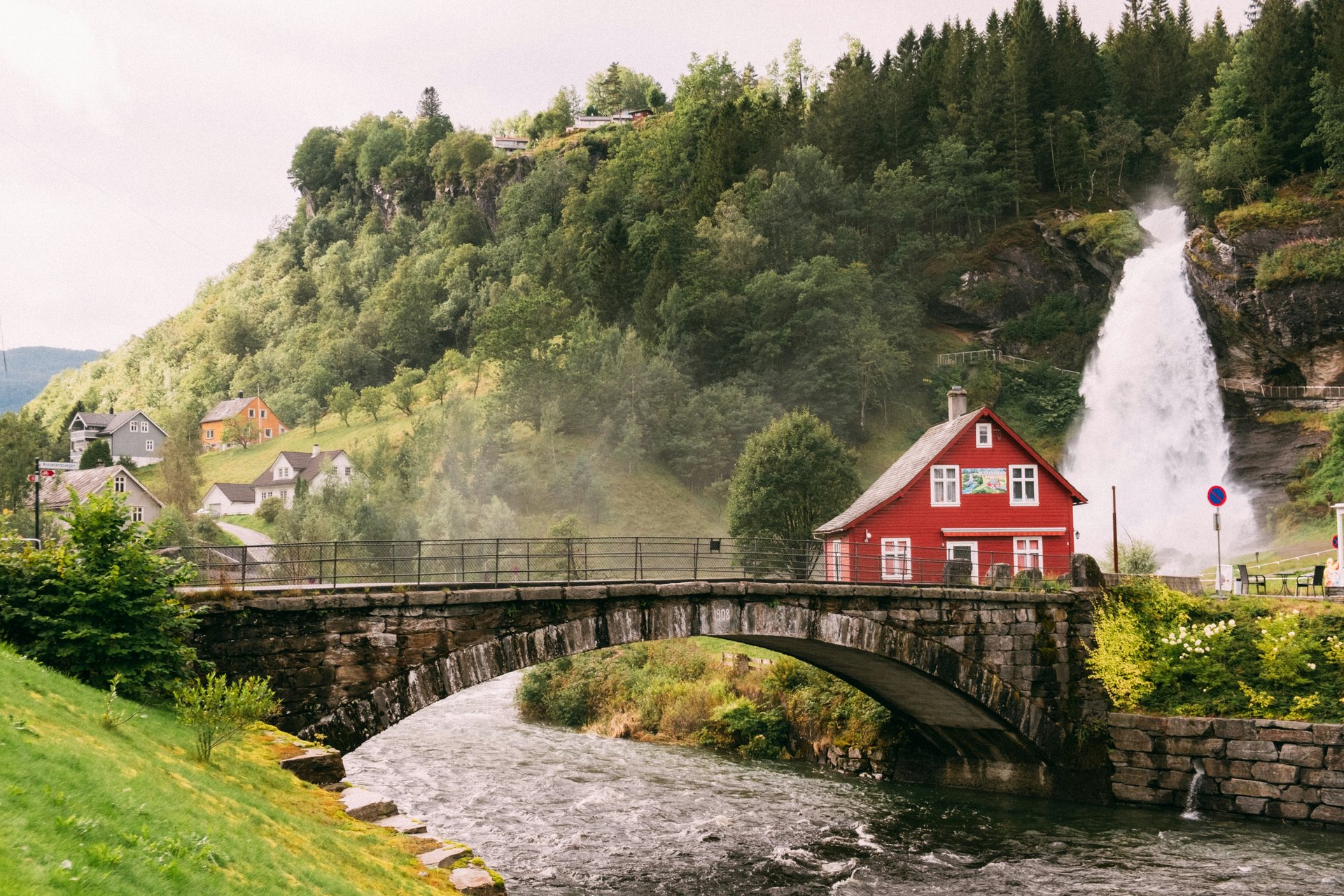
Fjords, ferries, Arctic light & the highest EV adoption rate on Earth
Norway is the vanlife trip most people put off for "someday" and then wish they'd done first. Sheer fjord walls drop straight into the sea, mountain roads switchback through snowfields even in July, and the coast keeps unfolding north past the Arctic Circle toward Nordkapp. Distances are long and the pace is slow by design: this is a country built for a full month, not a fortnight.
What makes it genuinely different from the rest of Europe is the infrastructure underneath the scenery. Norway has the highest EV adoption rate in the world, a dense fast-charging network to match, and a road system built around frequent ferry crossings rather than bridges everywhere. Wild camping is a protected legal right. Prices are high across the board, but drive electric and you'll quietly claw a meaningful chunk of that back in toll and ferry discounts.
Norway rewards those willing to drive slowly, take the ferry, and let the schedule slip.
Jagged granite peaks rising straight out of the sea, red fishing cabins (rorbuer) at Reine and Hamnøy, and white sand beaches that look tropical until you touch the water. Far north, but worth every kilometre of the drive.
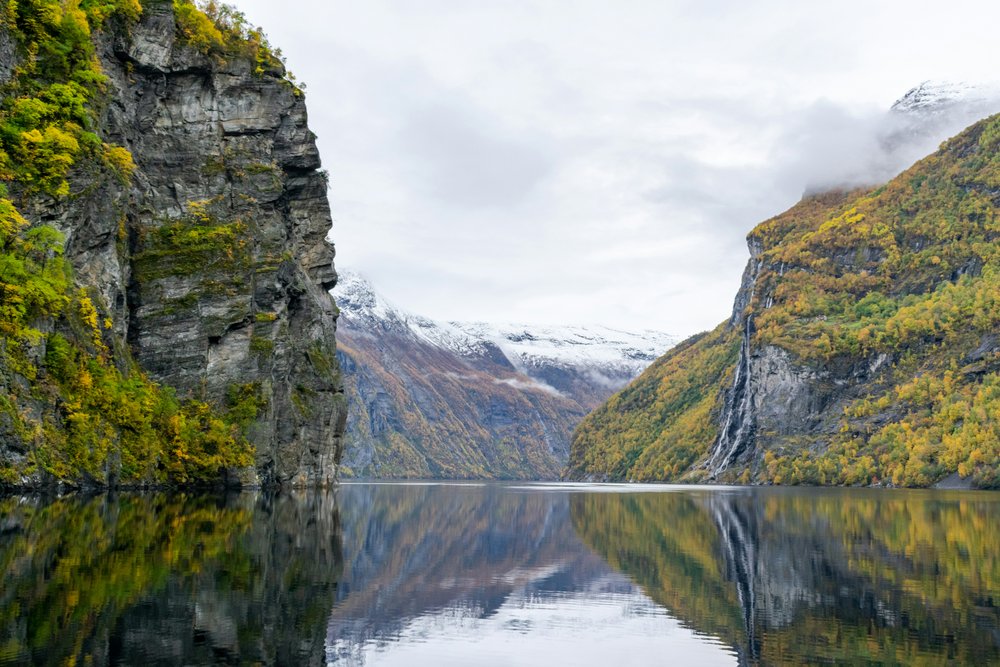
A UNESCO World Heritage fjord so narrow and steep-sided that waterfalls like the Seven Sisters seem to fall directly onto the road. Drive the Eagle Road switchbacks up out of the valley for the view that sells Norway to everyone.
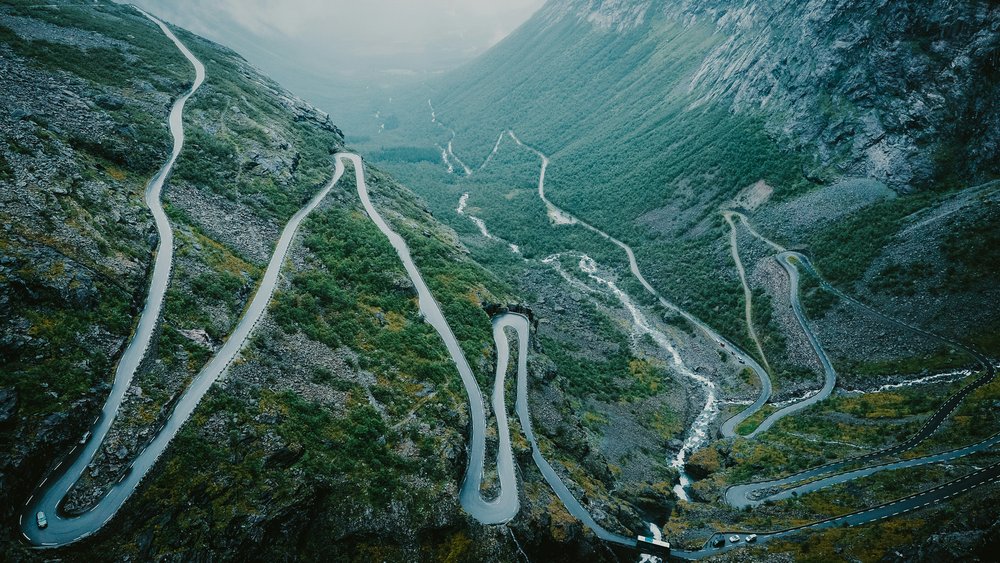
Eleven hairpin bends climbing 850 metres up a mountainside, with the Stigfossen waterfall crashing alongside the road. One of the most photographed drives in Europe, and one of the most nerve-testing in a full-size van.
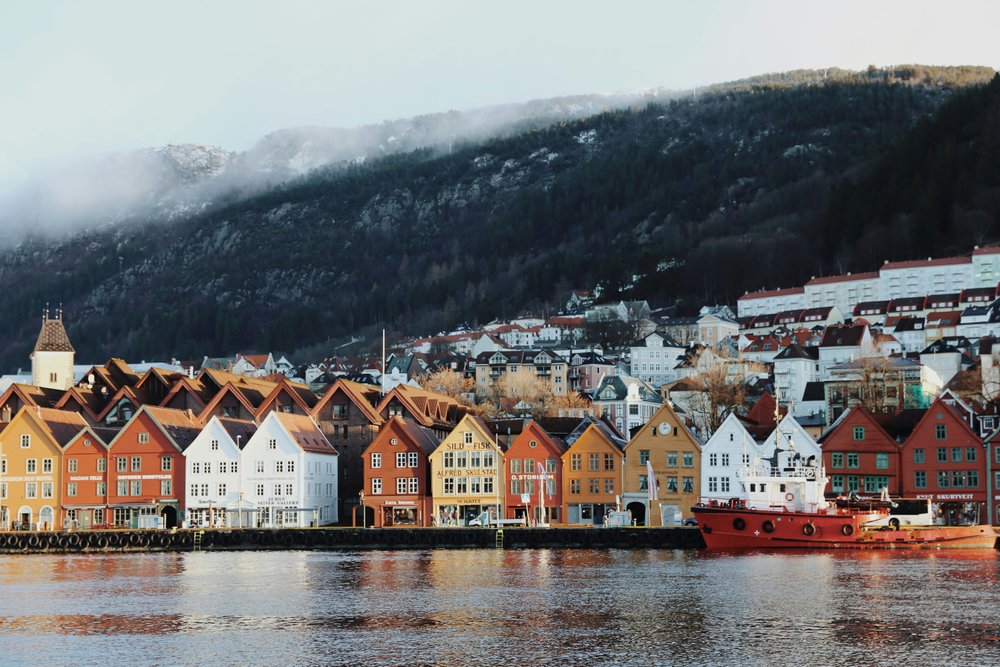
The gateway to the fjords: the colourful UNESCO-listed Bryggen wharf, a lively fish market, and seven surrounding mountains you can reach by funicular or on foot. Bring a rain jacket, Bergen earns its reputation.
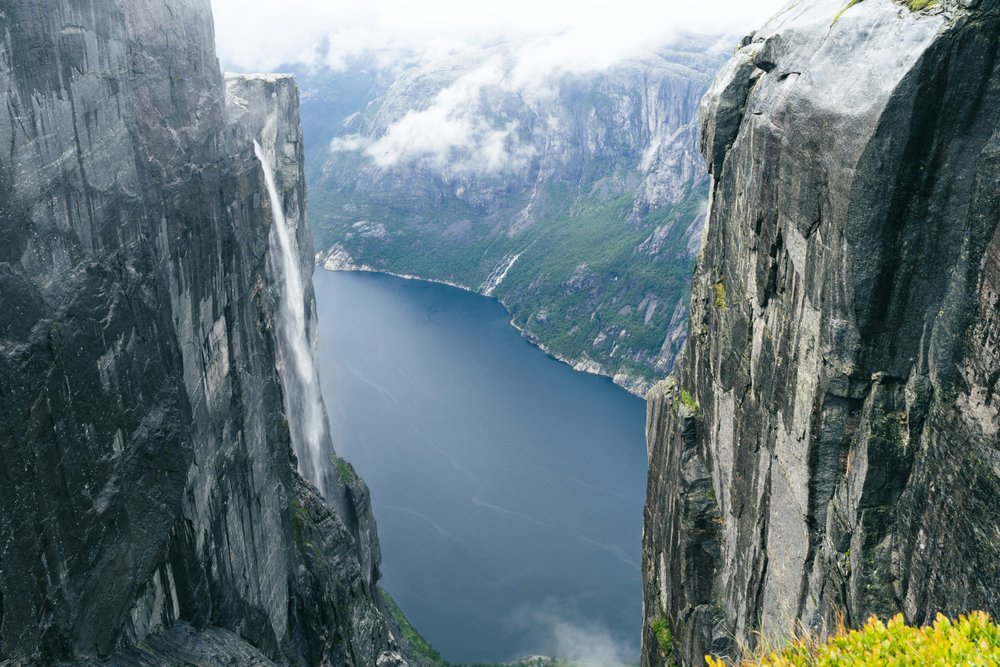
A flat granite plateau hanging 604 metres above Lysefjord with no railing at the edge. The hike up from Preikestolen Fjellstue takes most of a day and is one of Norway's essential experiences, weather permitting.
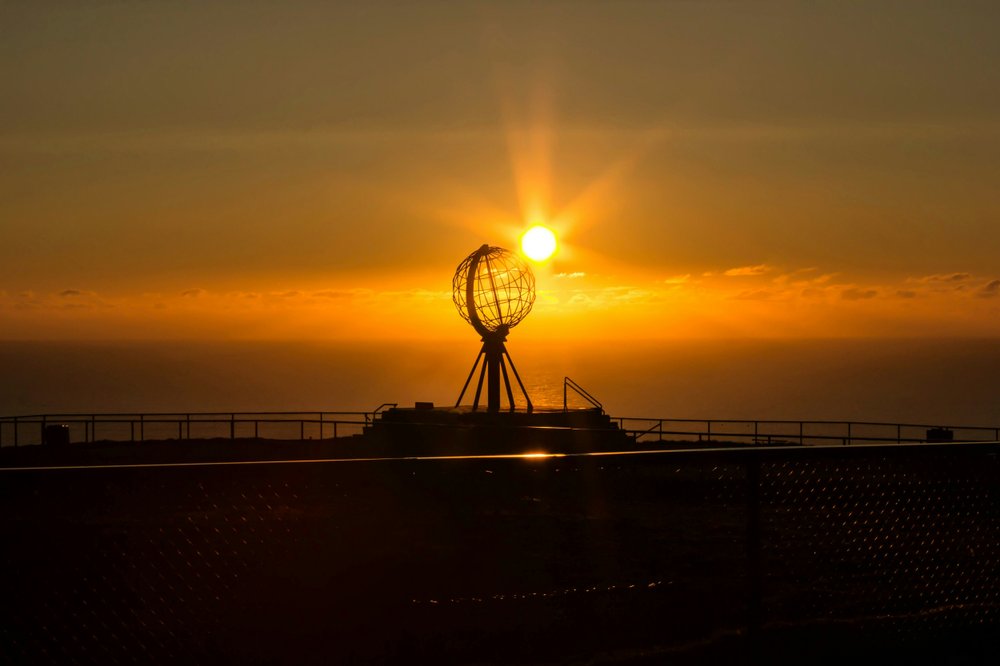
The dramatic cliff plateau at the far north of mainland Europe, 71 degrees north. In summer the sun never sets here; the drive up through Finnmark's open tundra is as memorable as the destination itself.
Norway is straightforward to drive once you understand ferries, tolls, and the real cost of things.
Many coastal routes in Norway are simply broken by fjords that no bridge or tunnel replaces. Ferry crossings are a routine part of the day's driving, not a detour, and a typical fjord road trip involves several of them. Most are short, ten to thirty minutes, and run frequently in summer.
Norway's toll system runs on cameras that read your number plate as you pass, at normal speed, with no barriers and nothing to stop for. It covers many roads, tunnels, bridges, and city toll rings. There is no separate motorway vignette, AutoPASS is the whole system.
Norway has the highest share of electric vehicles on the road of any country, and the charging network reflects it. Fast chargers appear roughly every 50 to 70 km along major routes, with dense coverage in and around cities. Even fairly remote fjord roads usually have something within reach.
Zero-emission vehicles receive meaningful discounts, sometimes a full exemption, on many toll roads, and pay at most half the standard fare on most ferries. Given how much of a Norway itinerary involves tolls and ferry crossings, this is one of the few places in Europe where driving electric genuinely changes your budget, not just your emissions.
The motorway speed limit is 110 km/h, but genuine motorways are rare in Norway. Expect narrow, winding two-lane roads through mountains and along fjords, often much slower than the map suggests. Plan journey times generously, especially in the west and north.
High mountain passes such as Trollstigen and Sognefjellet typically close from around October to May depending on snowfall, and can shut with little notice even in shoulder season. Always check current road status before committing to a mountain route outside summer.
Norway is consistently one of the most expensive countries in Europe: food, campsites, and eating out all cost noticeably more than in Central or Southern Europe. Vanlife softens this considerably compared to hotels and restaurants, but it still needs a realistic budget.
Norway has around 900 official campsites, many run to a very high standard with proper facilities, and a good number set right on a fjord or lakeshore. Alongside pitches, most also rent simple cabins (hytter), which are a genuinely good option on a wet or cold night.
One introduces Fjord Norway properly, the other commits to the long haul north.
Bergen, Geiranger, Trollstigen, and Ålesund: the essential introduction to fjord country, ferries and all.
Trondheim to Nordkapp: fishing villages, whales, the midnight sun, and the cliffs at the top of Europe.
Real vanlifers, real moments, submitted by people just like you.
Be the first to share a photo from Norway
Submit yours below ↓Your turn
Your photos, ferry timing tips, and honest stories help thousands of other vanlifers plan better trips. We review every submission and feature the best ones on this page.
Continue your journey
Norway connects easily onward across the Nordics. Here's where most vanlifers head next.